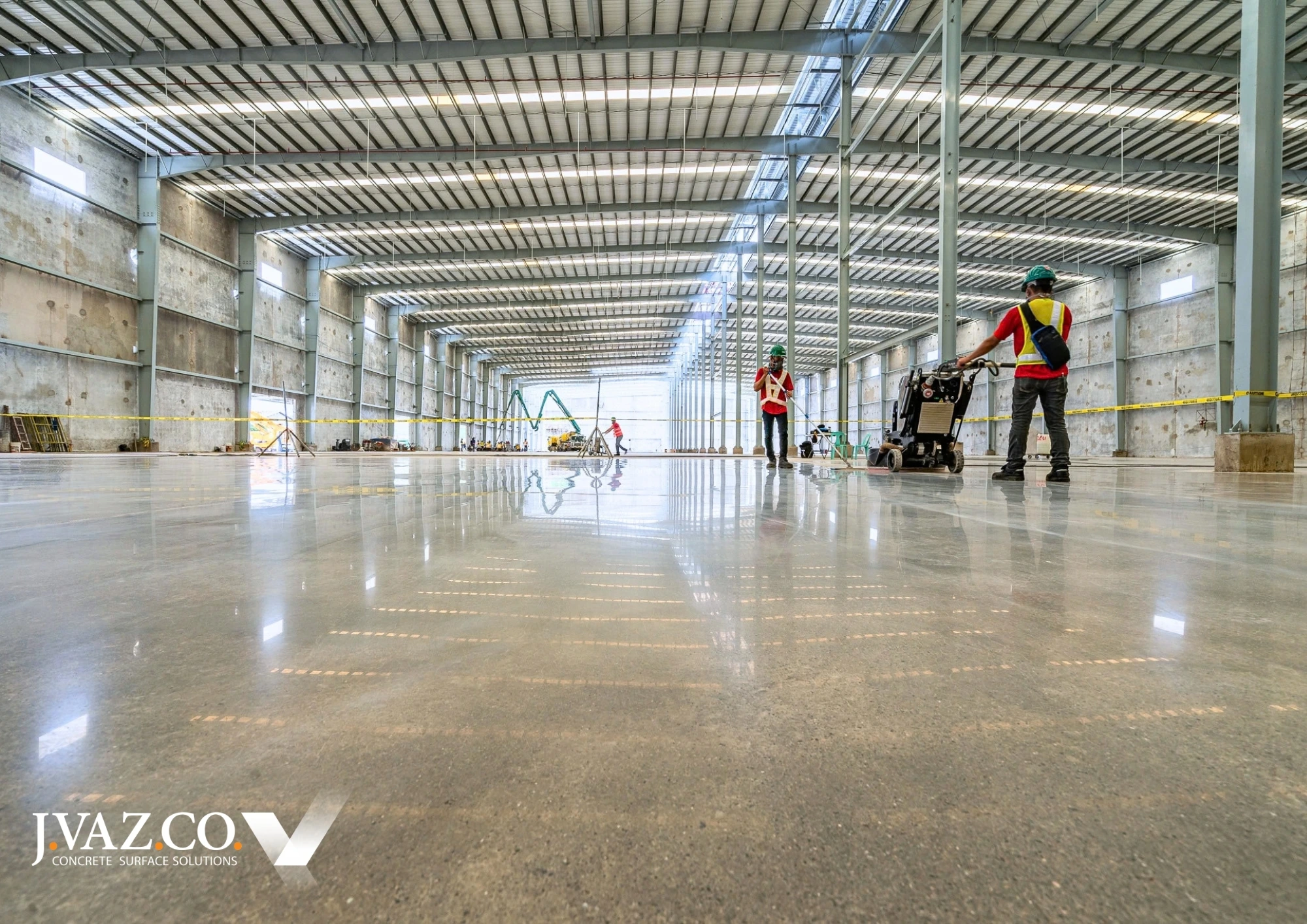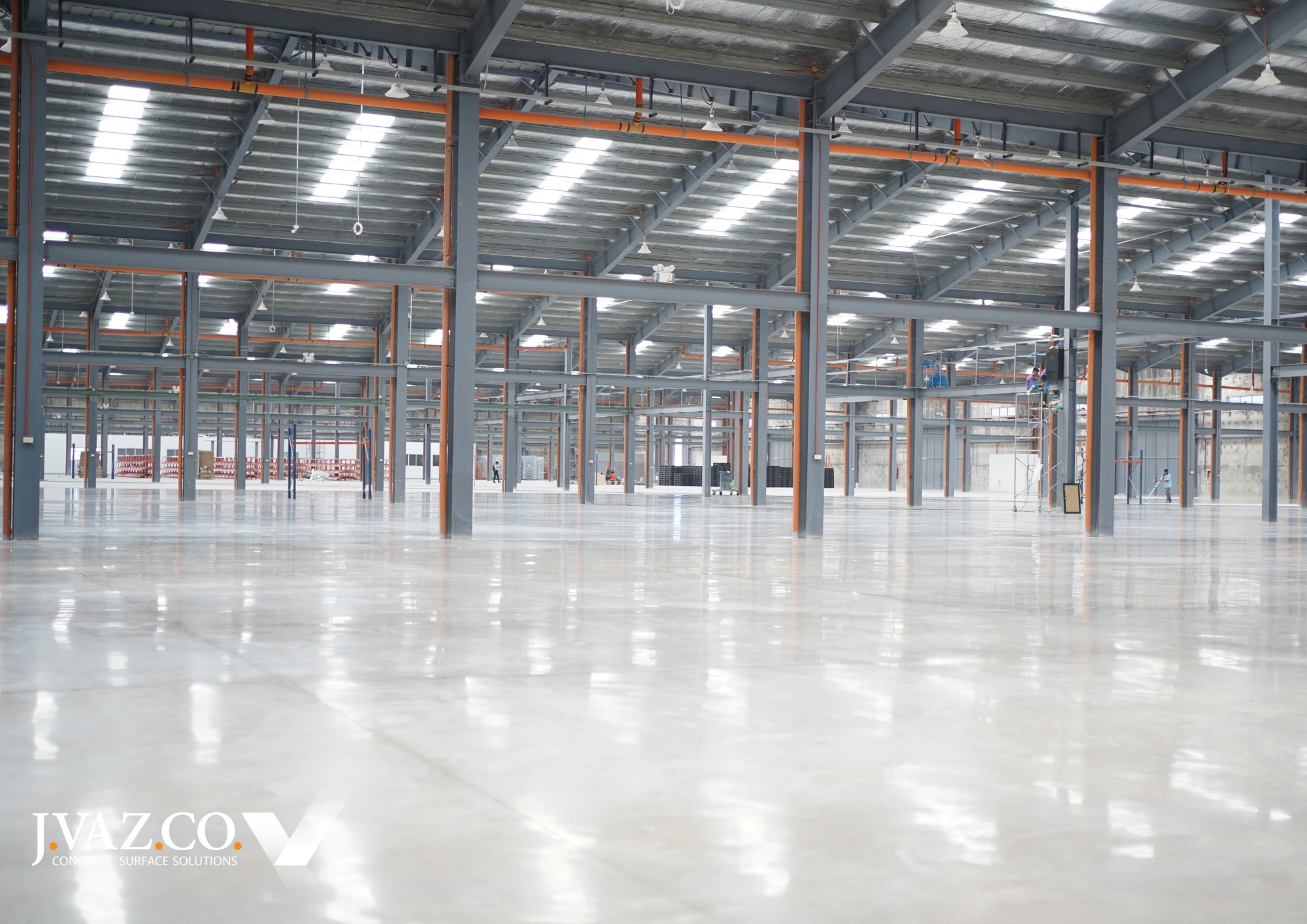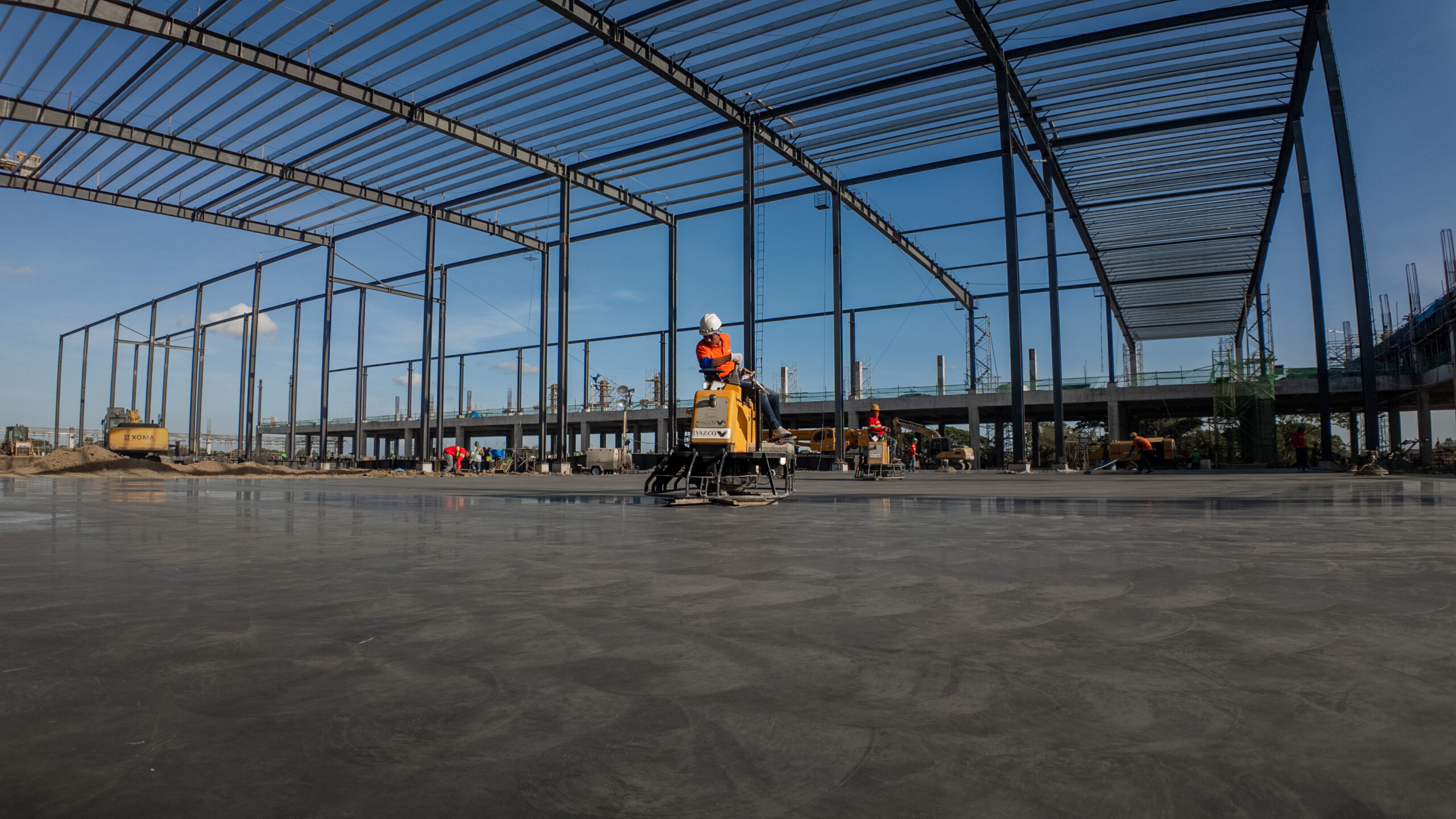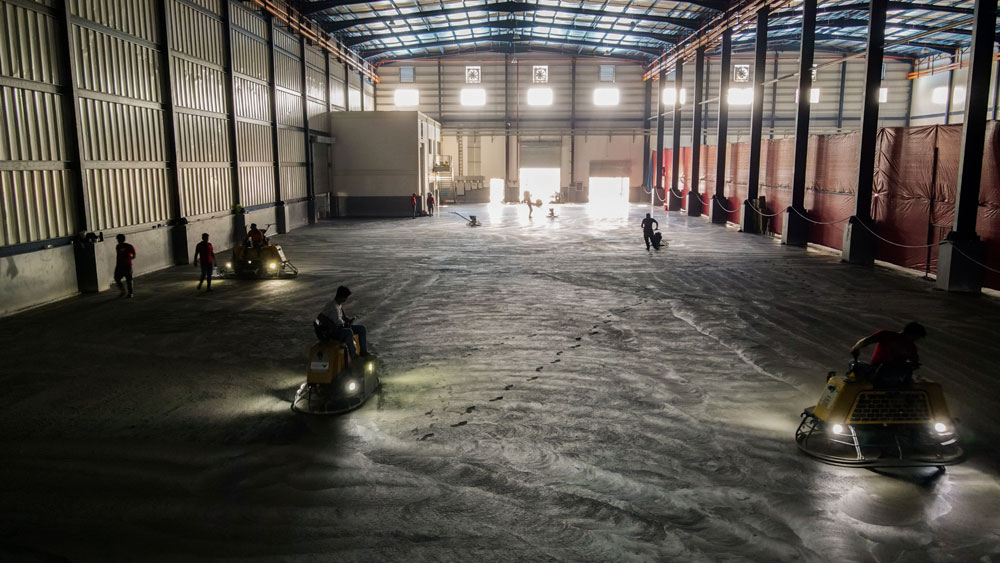
Concrete floors are designed for long-term performance, but wear, cracking, contamination, and delamination can compromise their functionality over time. When deterioration becomes visible, replacement is not always the necessary solution. In many cases, concrete restoration can recover the floor’s performance while reducing demolition, material consumption, downtime, and overall project costs.
Through JVAZCO’s Concrete Restoration System® (CRS®), we assess the condition of existing concrete floors to determine the appropriate repair strategy, address underlying causes, and establish whether restoration remains technically viable.
Understanding Concrete Restoration
Concrete restoration goes beyond patching visible defects. Effective restoration requires evaluating the substrate, identifying the cause of deterioration, and implementing repairs appropriate to the floor’s structural condition and intended use.
Depending on site conditions, CRS® may involve mechanical grinding and surface xpreparation, crack repair, localized concrete rebuilding, self-leveling, resurfacing, and densification. The objective is to restore the floor’s functionality and provide a suitable substrate for its specified finish.
Four Common Types of Concrete Deterioration
- Surface Wear and Scaling
Scaling occurs when the concrete’s surface layer deteriorates, resulting in flaking, dusting, or loss of material. Poor curing, inadequate finishing, moisture exposure, and chemical attack may contribute to this condition. Where deterioration is limited to the surface, mechanical grinding and densification may restore the floor’s integrity and improve surface hardness.
- Concrete Cracking
Cracks may result from drying shrinkage, thermal movement, loading, settlement, or inadequate joint design. Their significance depends on their depth, movement, and underlying cause. Restoration requires determining whether cracks are stable or active before selecting an appropriate repair method.
- Surface Contamination
Oil, grease, chemical residues, and failed coatings can interfere with the adhesion of repair materials and subsequent finishes. Mechanical preparation removes contaminated surface material, while deeper contamination may require additional treatment before restoration can proceed.
- Delamination
Delamination occurs when a concrete surface layer, topping, or coating separates from the material beneath it. Hollow-sounding areas, lifting, and localized failure may indicate loss of bond. The extent of separation must be established before defining the repair scope.
When Is Restoration No Longer Viable?
Restoration is generally suitable when the existing slab retains adequate structural capacity and the deterioration can be addressed through appropriate repairs.
However, replacement or major structural intervention may be necessary when the slab cannot support its intended loads, reinforcement corrosion has compromised structural performance, or severe settlement and subbase failure cannot be adequately corrected within the restoration scope.
The condition of a floor cannot be determined by appearance alone. A professional site assessment is essential to establish whether restoration can deliver a durable, fit-for-purpose result.
Why Early Assessment Matters
Concrete deterioration can progress as moisture enters cracks, reinforcement corrodes, or damaged surface layers continue to break down. Delayed intervention may increase the area requiring removal, deepen repair requirements, and extend operational downtime.
Early assessment helps preserve sound concrete, define the appropriate repair method, and avoid unnecessary replacement where restoration remains viable.
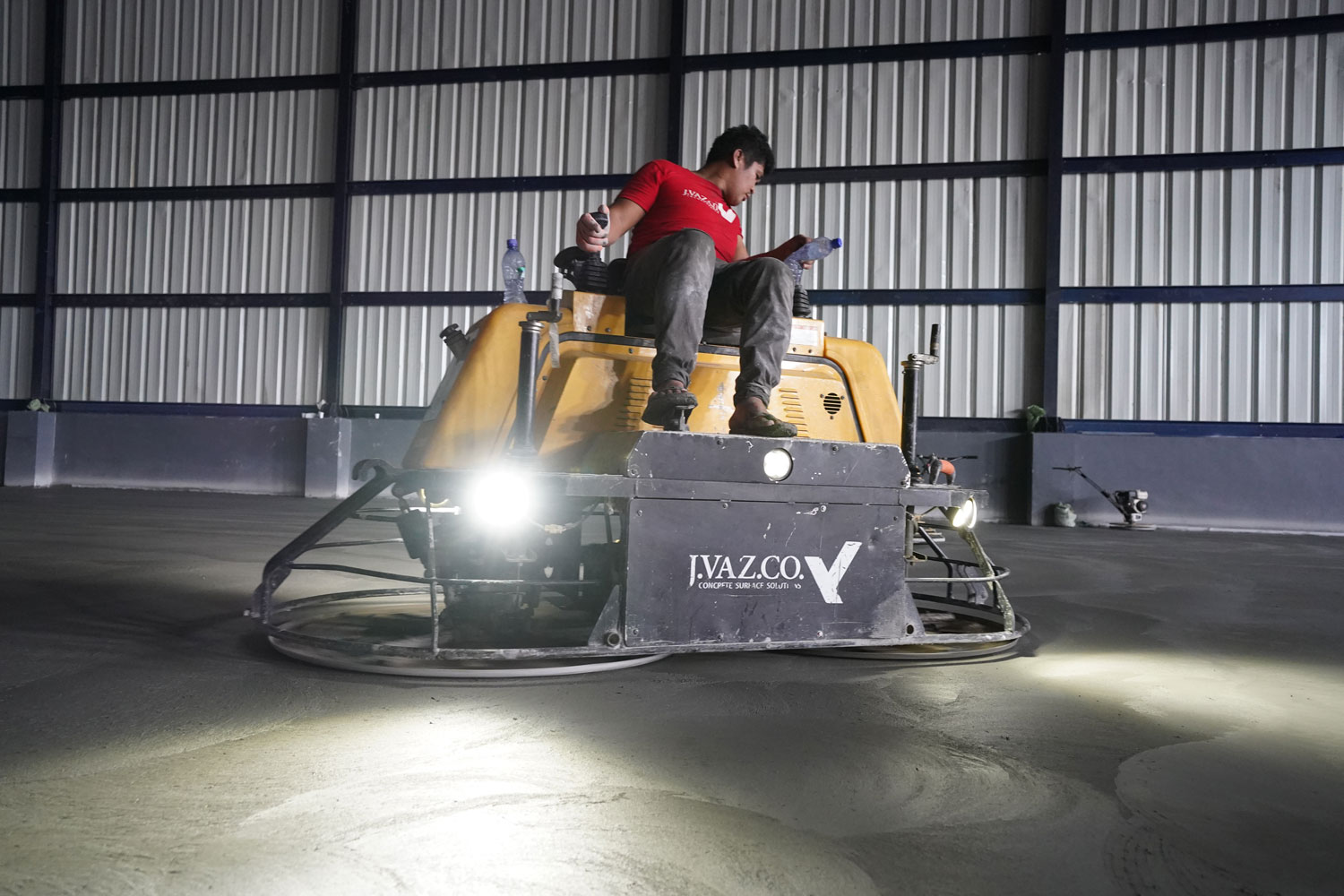
JVAZCO’s Approach to Concrete Restoration
JVAZCO evaluates concrete floors based on observed deterioration, substrate condition, and operational requirements. Assessments may include crack mapping, delamination testing, contamination evaluation, and concrete sampling where necessary.
Findings inform a project-specific scope of work rather than a standardized repair package. Where restoration is not technically appropriate, replacement or further structural evaluation may be recommended.
The right restoration strategy begins with understanding the concrete itself. Through CRS®, JVAZCO applies a systematic, performance-focused approach to determining what can be restored, what requires rebuilding, and when replacement is the more appropriate solution.
Concrete Matters
Articles, perspectives, and ideas from the people shaping the concreting industry.